
Structure//
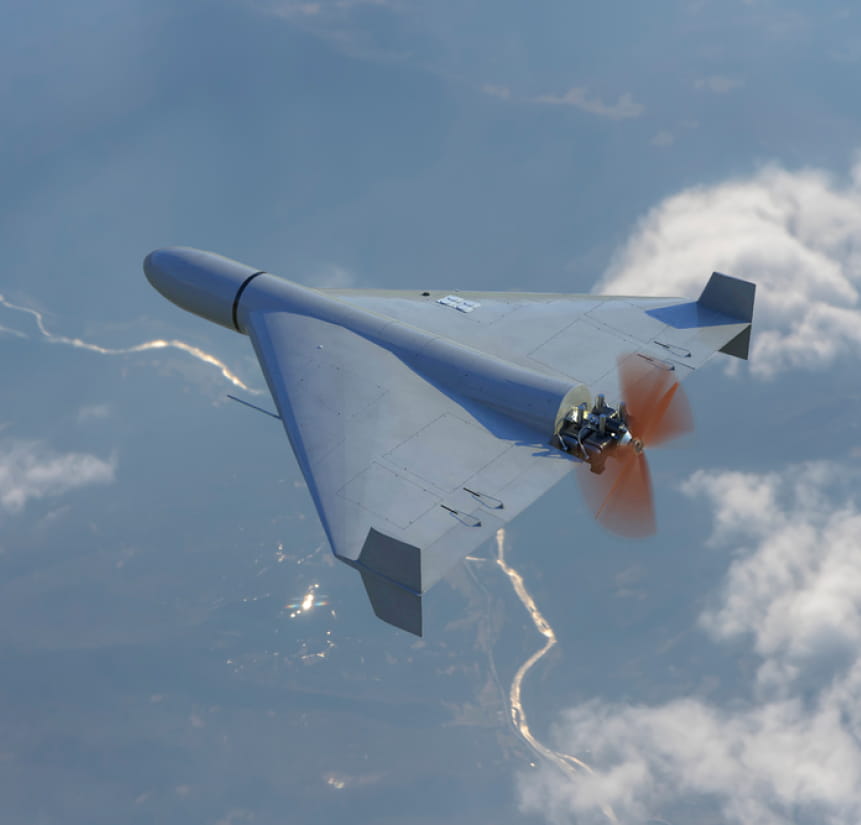
THE NOCTURN 02 IS| A LONG-RANGE ONE-WAY EFFECTOR DESIGNED TO DELIVER A 50 KG PAYLOAD OVER 1,500 KILOMETRES — AT A UNIT COST THAT MAKES VOLUME USE POSSIBLE.
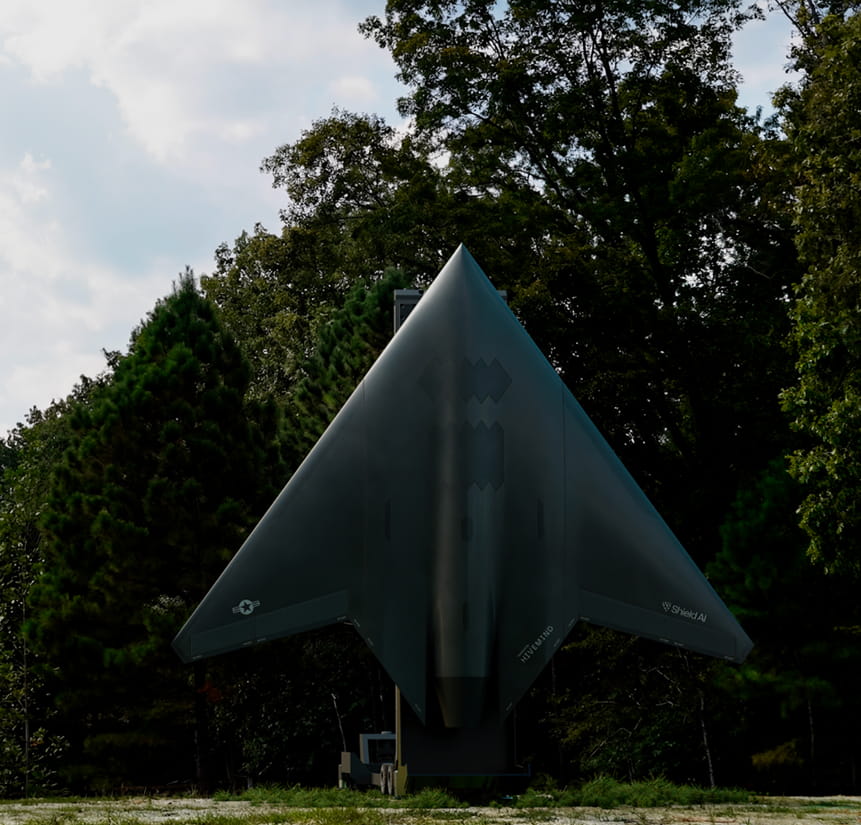
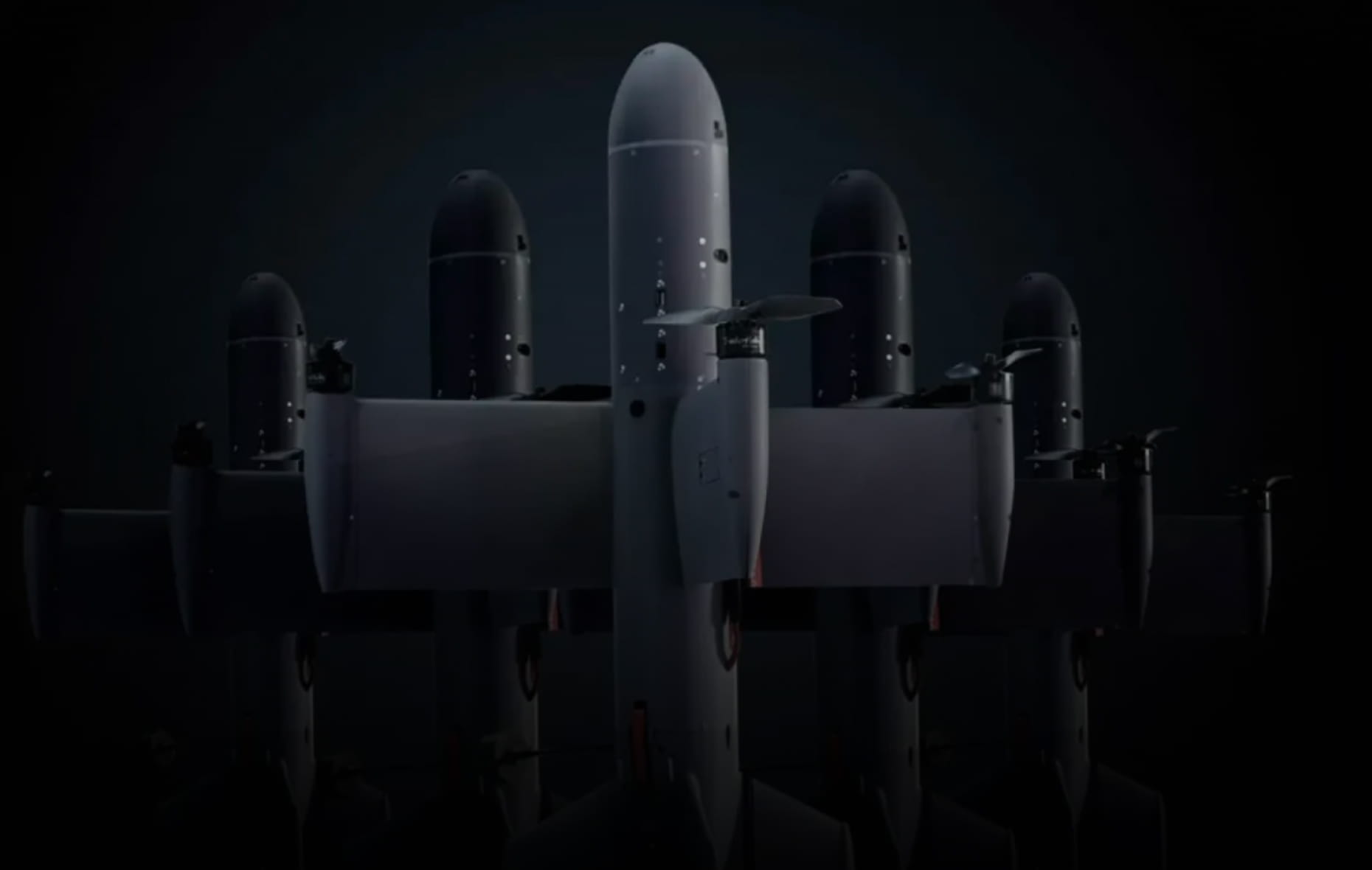
A piston-powered composite delta wing, launched from a vehicle rail with no runway and no fixed ground infrastructure. Designed from the first drawing to be manufactured repeatedly rather than demonstrated once. Developed, built and flown in Lithuania. First flight completed in 2026.
Long range is worth little if the aircraft becomes unreachable the moment it passes the horizon. NO-2 carries a satellite-enabled command, control and telemetry link alongside conventional radio, so the mission can still be monitored, held or re-tasked at distances where line of sight stopped mattering hundreds of kilometres ago. Positioning is handled onboard by a GPS and inertial stack that does not depend on that link to keep flying.
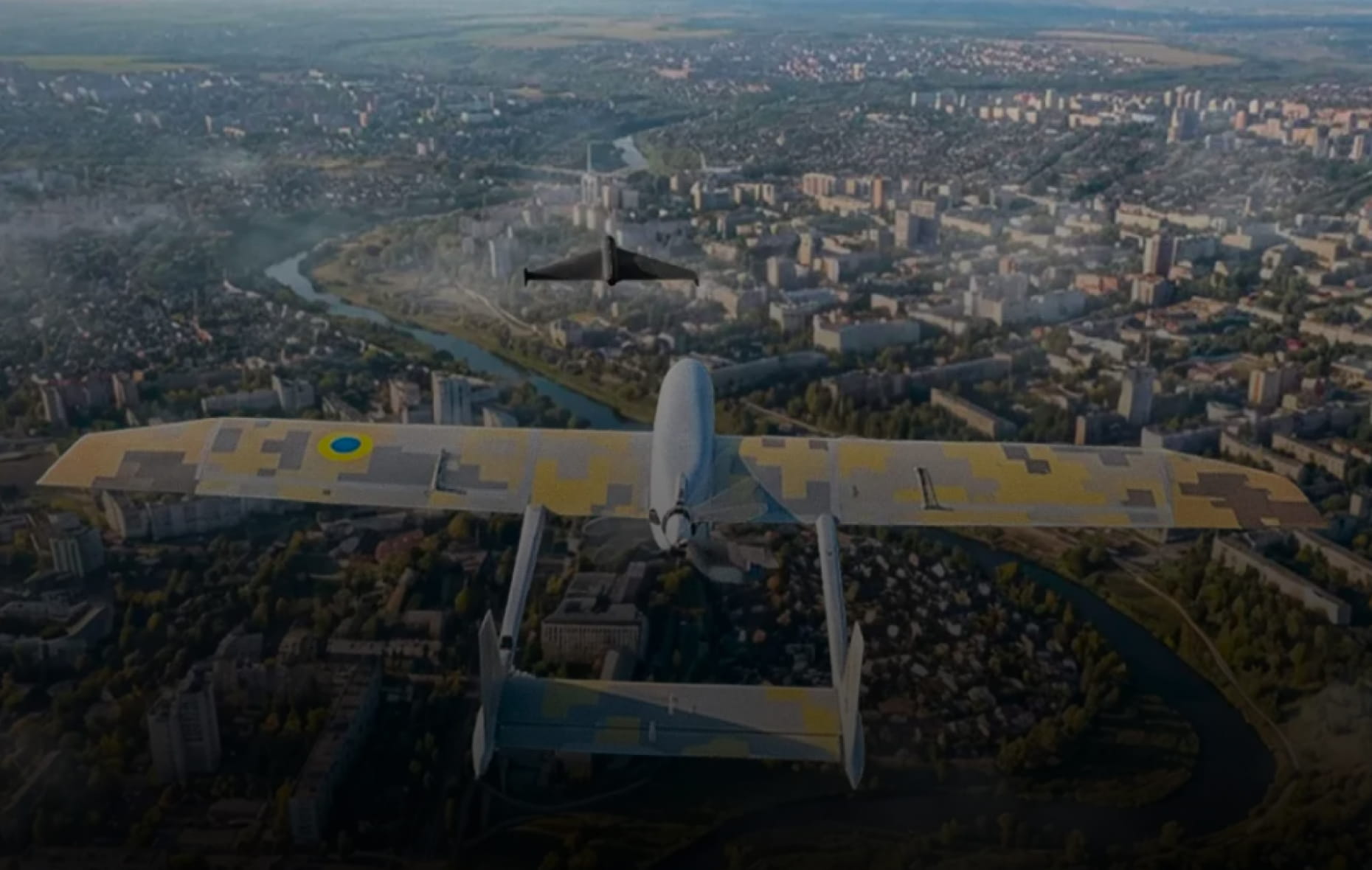
Volume in the nose was allocated to the payload from the outset and the aircraft’s mass distributed around it — not recovered from the design at the end. A 50 kg payload is installed without moving fuel, relocating systems or recalculating the airframe. Integration is a fitting task, not an engineering programme.
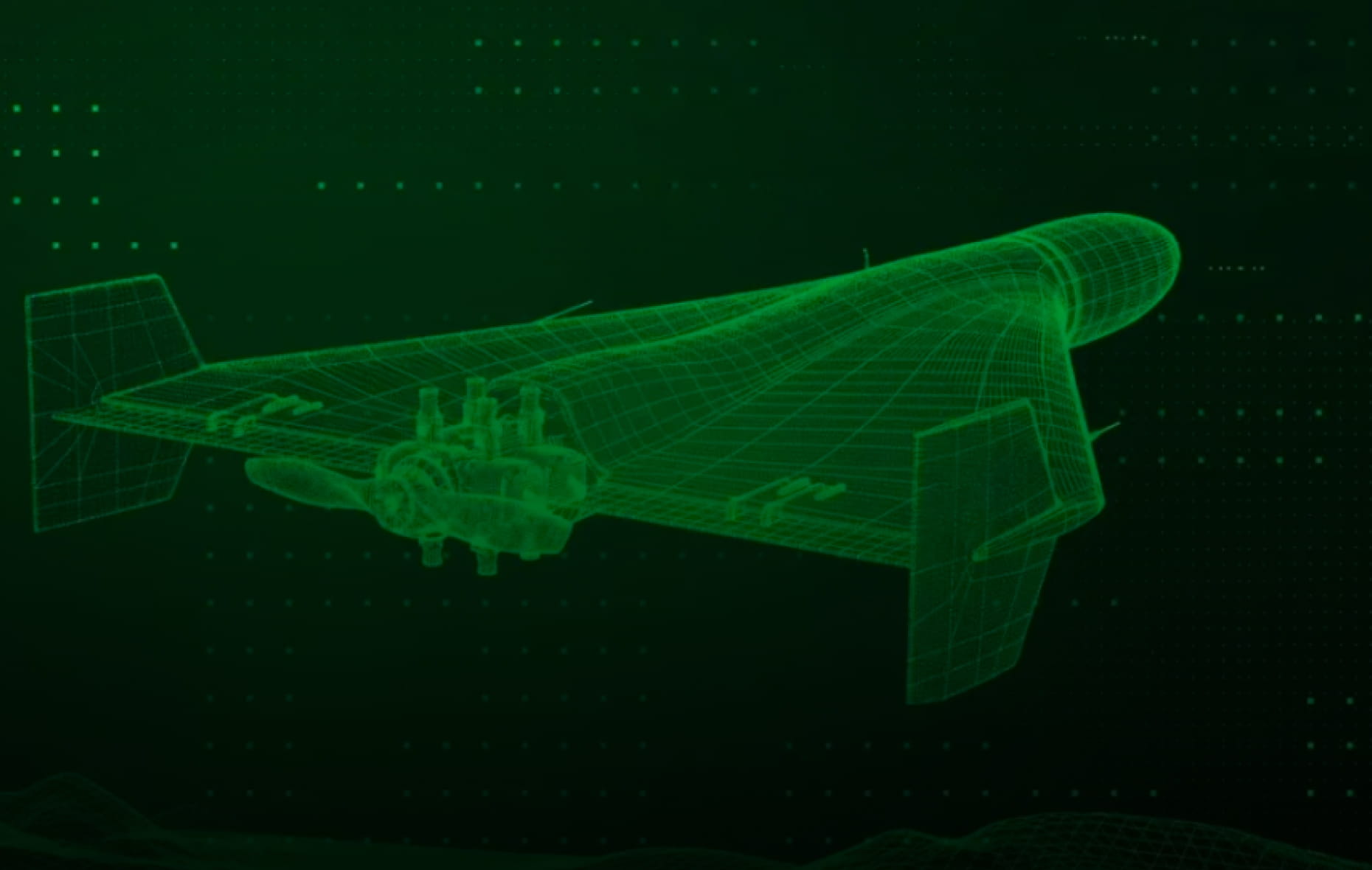
The operating environment is assumed to be jammed, spoofed and watched. Command and telemetry run over conventional radio and a satellite- enabled link; positioning is handled by an onboard GPS and inertial stack so the aircraft keeps flying when the signal does not. Resilient navigation for GNSS-degraded conditions and a radar-signature reduction programme are both under development, with comparative measurement planned in the current test campaign.
NO-2 launches from a vehicle-integrated rail. No airfield, no prepared strip, no fixed ground infrastructure to be found and targeted — the launch system moves with the unit and sets up where the mission requires it. Vehicle-assisted launch was demonstrated on the first flight in 2026; a rocket-assisted configuration is under development.
NO-2 · DESIGN TARGETS//
50 KG
250 KM/H
1.500 KM
180 KM/H
200 MTOW
3.5 m
2.5 m
Fixed-wing delta, single-use
Internal combustion (piston), 550 cc
Under development
Composite airframe, manufacturing-first design
Vehicle-integrated rail; rocket-assisted configuration under development
GPS + inertial; GNSS-resilient architecture
Radio and satellite-enabled command, control and telemetry
Payload Capacity//
Payload Capacity//